Article: Shein’s unhappy IPO
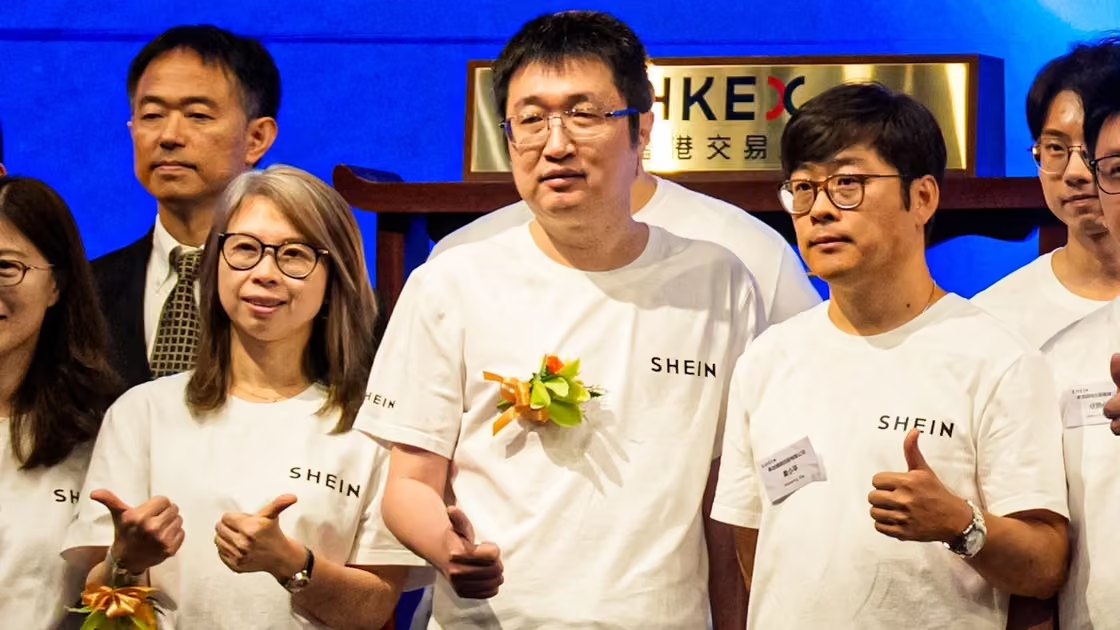
Fast-fashion giant Shein has completed a bumpy initial public offering at a fraction of its former hundred-billion-dollar peak valuation. This underwhelming debut matters because it exposes deep investor anxieties over slowing growth, looming regulatory risks, and bizarre contract clauses that force Shein to refund billions to early private backers. Ultimately, it provides a sharp reality check on what happens when a hyped private-market darling meets the icy waters of real market pricing.
Terms:
- Cornerstone commitment: binding agreement where a major investor promises to buy a specific dollar amount or share count in an upcoming initial public offering (IPO) before public marketing begins
- Anti-dilution clause: If future rounds price lower, earlier preferred equity converts at an adjusted (lower) price. Lowers the conversion price of preferred shares into common stock, granting preferred investors more common shares per preferred share to preserve their overall economic value and ownership percentage.
- Make-whole clause: Late-stage preferred shares carry provisions compensating holders in cash and/or free shares if an IPO prices below their entry valuation — extending anti-dilution beyond conversion-price adjustments into direct monetary claims on the company itself. Often paired with guaranteed-return redemption rights (the 'valuation adjustment mechanisms' common in Chinese and Gulf-backed rounds).